Apple iPod Turns 25: The $399 Player That Redefined Digital Music
The original iPod, launched by Steve Jobs in 2001, used 5GB storage to fit 1,000 songs into a device smaller than a deck of cards.
By Fatima Zayed ·
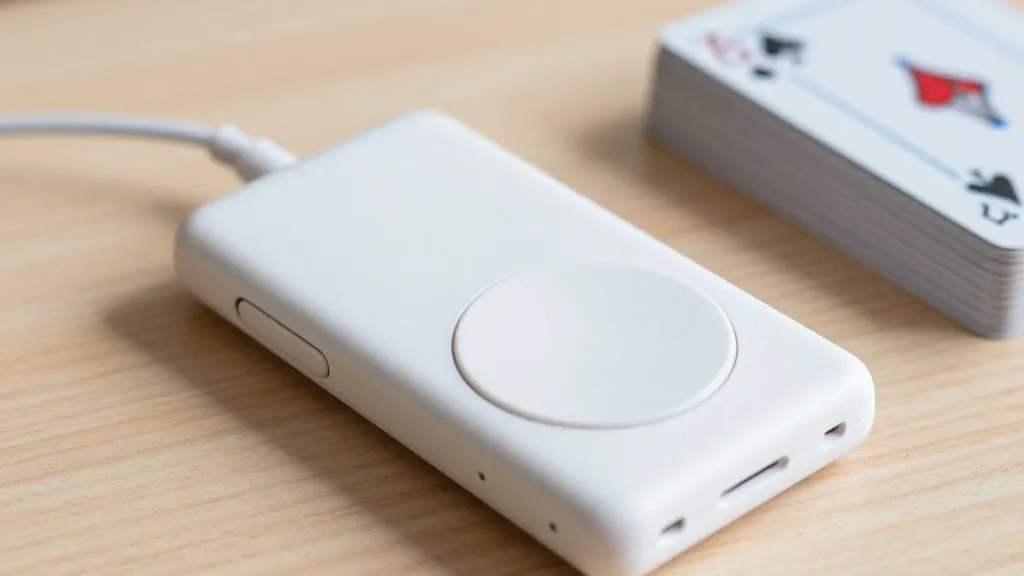
Apple CEO Steve Jobs introduced the original iPod to the world on this day in 2001, launching a product that would dominate the portable music market for nearly two decades. The device was unveiled as a breakthrough digital gadget that was not a Mac, marking a strategic pivot for the Cupertino-based company. At a price point of $399, the player promised to put an entire music library into a user's pocket, a claim that resonated with consumers who were still adjusting to the digital audio era following the dot-com bubble burst.
The hardware specifications were central to the device's appeal. The original model featured 5 gigabytes of storage, which allowed it to hold approximately 1,000 songs. Specifically, this capacity accommodated 1,000 standard pop tracks encoded as MP3s at 160 kilobits per second. This storage density was made possible by a hard drive supplied by Toshiba, which measured 1.8 inches in diameter and was just 0.2 inches thick. The combination of these components resulted in a device that was compact and lightweight.
The physical dimensions of the player were 2.4 by 4 by 0.78 inches, with a weight of 6.5 ounces. Jobs noted that the device was lighter than most cell phones of the time and roughly the size of a deck of cards. Despite its small form factor, the iPod included features such as 20-minute skip protection and fast file transfer capabilities. The device also utilized a single FireWire 400 cable for both charging and data transfer, a technology that was faster than the USB connections prevalent at the time.
Performance metrics were a key part of the presentation. Jobs claimed that transferring a full CD of music to the iPod took only five to 10 seconds via FireWire, whereas USB devices of the era required about five minutes for the same task. Filling the device with 1,000 songs was estimated to take 10 minutes, compared to five hours for a typical USB player. The unit was powered by a rechargeable lithium-polymer battery that provided 10 hours of continuous playback. Apple stated that the battery could be recharged to 80 percent in one hour.
The user interface and design were highlighted as major differentiators. The device featured a minimal and durable back and sides, with controls designed for single-hand operation. A scroll wheel with a piezoelectric clicker provided tactile feedback, allowing users to navigate playlists, artists, and songs quickly. During the launch event, Jobs demonstrated the device by playing the song 'Building a Mystery' by Sarah MacLachlan. The interface was touted for offering Apple's legendary ease of use in a portable context.
Software integration was the third major pillar of the product's strategy. The iPod launched alongside iTunes 2, which included features like MP3 CD burning and syncing support. The Auto-Sync feature ensured that music libraries curated on a Mac were automatically synchronized with the portable player whenever it was connected. This integration positioned the Mac as the hub of a user's digital lifestyle, connecting cameras, camcorders, and music players. The iPod also functioned as a FireWire hard disk drive when connected to a computer.
The market landscape in 2001 included several competitors, such as Sony, Creative, and Sonic Blue. However, Jobs argued that none of these companies had found the correct recipe for digital music. He identified hard disk-based jukebox players as the optimal entry point for Apple, as opposed to CD players, MP3 CD players, or flash players. This strategic choice allowed Apple to capture a large target market of music lovers who did not yet have a dominant portable solution.
The iPod line continued to evolve over the next two decades, with the first iPhone arriving in early 2007. Both devices coexisted in Apple's product lineup for more than a decade. The iPod's prominence gradually declined as smartphones matured, with the 7th-generation iPod Touch released in May 2019. Although the product line was left unmaintained for several years, it was officially discontinued in May 2022, bringing an end to a run that spanned 25 years of innovation.
Source: Tom's Hardware