Genetic Engineering: New Firm Seeks to Solve Working Dog Shortage
A startup backed by $200 million aims to clone and gene-edit dogs for military use, addressing a critical gap in the U.S. supply of specialized animals.
By Eduardo Salazar ·
The U.S. military currently sources more than 80% of its working dogs from Europe, a dependency that Warhound seeks to eliminate with a $200 million funding round. This new venture, which emerged from stealth mode on Thursday, has secured a $1.2 billion valuation from investors including Sequoia, 8VC, Corner Ventures, and In-Q-Tel, a firm backed by the CIA and other intelligence agencies. The capital injection signals a significant shift in how defense contractors approach biological assets for field operations.
The financial backing supports a mission to genetically engineer canines for specific tactical roles. Warhound intends to produce dogs that can handle tasks too dangerous for humans or too complex for machines, such as bomb detection and search operations. The company noted that fewer than half of the imported working dogs are fit for service upon arrival. This statistic highlights a shrinking domestic supply chain that leaves the nation reliant on foreign breeding programs for animals that play critical roles in law enforcement and emergency response.
The partnership brings together Ben Lamm of Colossal Biosciences and Palmer Luckey of Anduril. Lamm met Luckey at a conference approximately a year ago, where the latter expressed concern over the state of military working dogs. Lamm subsequently researched breeding practices and discovered that many imported dogs fail training due to inherited issues like poor eyesight, hip dysplasia, or high cancer risks. To address this, Warhound plans to use cell lines from top-performing breeds, specifically Belgian Malinois and German Shepherds, which are stored in a biobank. The team will edit these genes to enhance health, longevity, speed, and olfactory sensitivity, effectively creating a new type of dog suited for demanding missions.
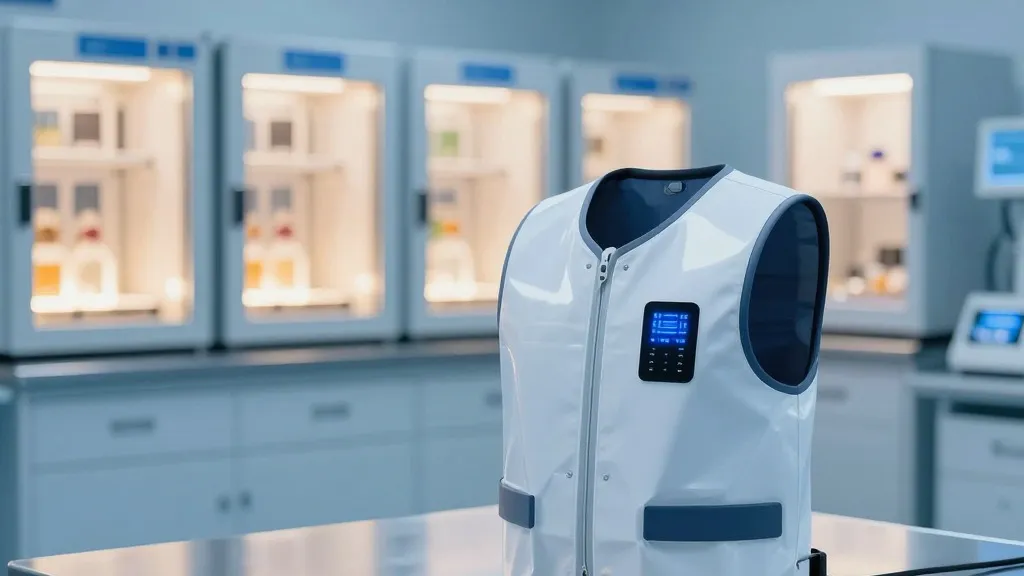
Anduril will provide the technological layer for these animals. The company will supply hardware and software, including protection vests and goggles, to improve situational awareness for both the dogs and their handlers. Lamm described the gear as adding capabilities to the dog rather than altering its internal biology. For example, bulletproof vests could include data sensors that transmit real-time information to handlers. This dual approach of genetic enhancement and technological augmentation aims to improve performance and safety in the line of duty.
Colossal Biosciences, known for its de-extinction efforts, holds equity in the business and licenses its technology to Warhound. Luckey serves as a partner but holds no equity. The company plans to use Viagen, another Colossal-owned entity, to clone the first batch of dogs. Lamm stated that these animals are about to be cloned and incubated, with births expected in early 2027. Service could begin within two years. The company has not yet set a price for the dogs but expects to sell to the Department of Defense, police forces, and first responders.
Welfare remains a central part of the strategy. Warhound is working under the guidance of the American Humane Society to certify its training program. The Society said it looks forward to helping ensure the animals are treated humanely. The goal is for retired service dogs to enter the Society’s reunification program, which provides homes for former military canines. Lamm noted that each dog will be trained like any standard military working dog and managed by its purchasing organization.
Source: TechCrunch