Meta Deploys Google's Custom AI Chips in Production, Bypassing Nvidia's Software Grip
Google's tensor processing units are now running inference workloads for Meta through a new PyTorch-native engine, marking a significant shift in the custom silicon landscape.
By Kendra Konchanuk ·
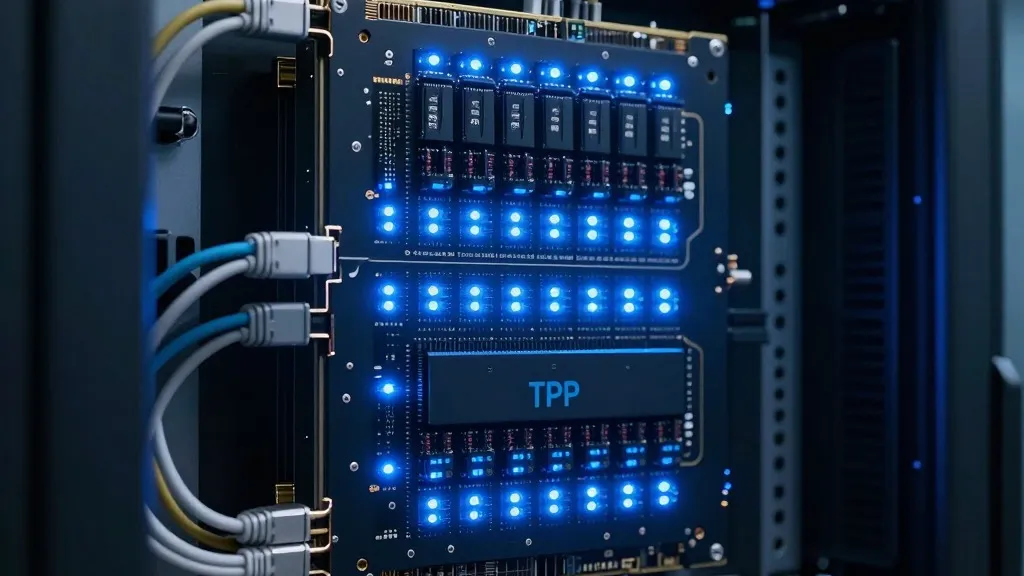
Meta has begun running artificial intelligence workloads in production on Google’s custom tensor processing units, a development that signals a potential crack in the dominance of Nvidia’s hardware ecosystem. This move, announced via Google’s developer blog, involves the release of a PyTorch-native version of the SGLang inference engine, allowing Meta to utilize Google’s TPU architecture without the significant code rewrites previously required. By integrating these chips into its core infrastructure, Meta is effectively diversifying its hardware dependencies, a strategic shift that has been in the works for several years but is now operational at scale.
The performance metrics accompanying this announcement suggest that Google’s seventh-generation Ironwood TPUs are competitive with Nvidia’s latest offerings. According to data from Inferact, a startup involved in the development of the vLLM engine, a tuned setup served the 2.8-trillion-parameter Kimi K3 model at over 700 tokens per second for a single user. This figure was achieved using 16 Ironwood chips with speculative decoding, a technique that uses a smaller model to draft responses for speed. In comparison, a similar configuration on 16 Nvidia GB200 chips reached 452 tokens per second. Furthermore, kernels for other models, such as Qwen 3.8 27B, reportedly deliver 1.4 to 2 times the throughput of the GB200 baseline at small batch sizes without speculative decoding.
The collaboration behind this integration involves key figures from both tech giants and the startup ecosystem. Zongwei Zhou, Meta’s PyTorch-TPU lead, noted that the engine provides a "remarkably mature, PyTorch-native serving stack" following a three-way partnership between Meta, Google, and the SGLang team at RadixArk. Jana van Greunen, director of PyTorch engineering at Meta, emphasized the company’s need to avoid being "constrained by a single hardware architecture." This sentiment reflects a broader industry trend where large organizations seek leverage against proprietary software lock-in, a position historically held by Nvidia's CUDA platform.
This is not Meta’s first encounter with Google’s silicon. Google identifies PyTorch/XLA as a predecessor to the new TorchTPU stack, a bridge that Meta research teams reportedly used from 2020 to 2023 before canceling those contracts. However, the current push is more substantial, with reports indicating that last year’s negotiations included Google Cloud TPU rentals for 2026 and potential purchases in 2027. Meta is understood to have signed a multi-year rental agreement, though the precise location of these production TPUs remains unclear. The new open-source versions of both SGLang and vLLM aim to make TPUs a native, rather than secondary, option for PyTorch users.
The timing of this announcement adds context to the competitive dynamics in the AI hardware market. It came one day after Amazon announced it would open-source TorchNeuron, its own native PyTorch backend for Trainium chips. Both moves appear designed to loosen Nvidia’s software grip on the AI developer community. Looking ahead, RadixArk plans to share further details at the SGLang Summit in San Francisco in November. The team is also working toward Day 0 support for new open models by the first quarter of 2027, starting with DeepSeek V4.1 Flash and Reflection Beam, suggesting a long-term commitment to the TPU platform.
For New England readers and tech professionals, this shift underscores that the AI hardware landscape is no longer a duopoly. While Nvidia remains the market leader, the entry of Google’s TPUs into major production environments like Meta’s indicates that custom silicon is maturing rapidly. The success of these PyTorch-native engines will determine whether other hyperscalers follow suit, potentially altering the cost structures and supply chains of the AI industry in the coming years.
Source: Tom's Hardware