Jensen Huang’s Cute Robot Ducks Become the Holiday Season’s Biggest Surprise
Nvidia’s Microducks saw preorders exceed 20,000 units within a day of their viral debut at GTC Berlin, positioning them as a top contender for the best-selling robot of the year.
By Tariq Mahmoud ·
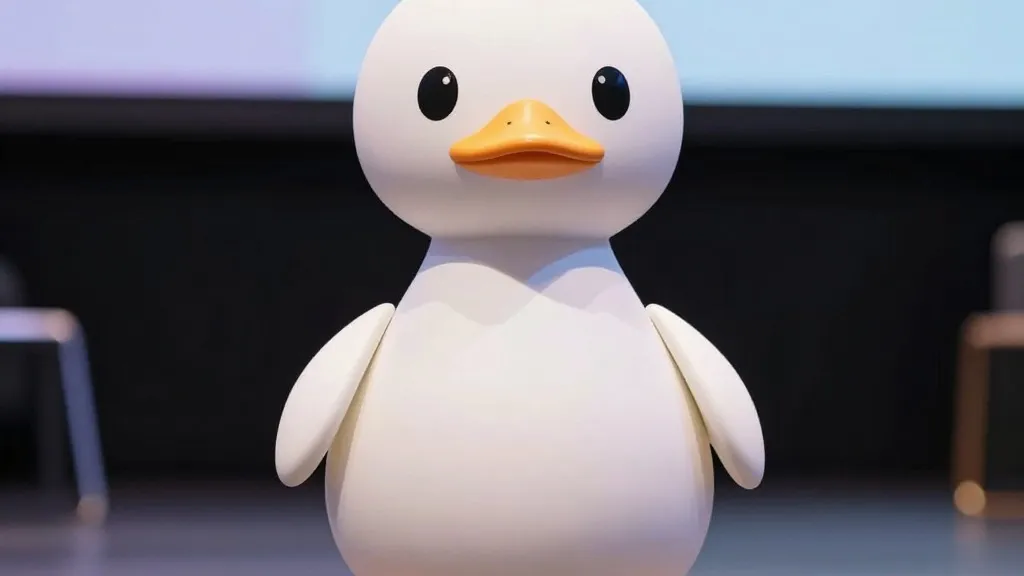
Jensen Huang, the chief executive of Nvidia, recently stole the show at the GTC Berlin conference not with a new chip, but with a group of waddling, rubber-legged ducks. The video of him interacting with these Microducks spread rapidly across social media, capturing the attention of tech enthusiasts and families alike. The little robots were seen stomping their feet, emitting high-pitched mechanical noises reminiscent of R2-D2, and performing tricks like sitting, napping, and somersaulting on voice commands. Their charm was immediate and undeniable, turning a standard corporate keynote into a viral moment that highlighted the playful side of artificial intelligence.
The commercial impact of this viral moment was swift and significant. According to Clem Delangue, the head of Hugging Face, preorders for the Microducks surpassed 20,000 units by the day after the event. This surge in demand suggests that the device could become the hottest toy of the upcoming Christmas season. Delangue has expressed his belief that these robots may ultimately be the best-selling robot of the year. Interestingly, the marketing materials suggest these devices are not exclusively for children. Promotional videos feature adults enjoying the robots as well, indicating a broader appeal that extends beyond the traditional toy market.
The Microducks are the product of a specific corporate lineage that reflects recent shifts in the tech industry. They are open source devices created by Pollen Robotics, a company that Hugging Face acquired in 2025. Since Nvidia purchased Hugging Face in September, the Microducks are effectively now an Nvidia product. This marks the second robot released by the Hugging Face team, following the earlier launch of the Reachy Mini. The acquisition chain places these cute companions firmly within the portfolio of the GPU giant, linking their development directly to Nvidia’s broader technology ecosystem.
Under the hood, the robots are powered by Nvidia’s technology stack. The company used simulations to teach the Microducks their basic behaviors, such as walking, sitting, and standing, which are pre-loaded onto the devices. Pollen Robotics has also designed the system to be interactive for users. Owners can train their specific robots to learn new tricks and then share those custom movements with the wider community. This open source approach encourages a collaborative environment where users can contribute to the robot’s capabilities, fostering a sense of shared ownership and creativity.
The release of the Microducks arrives at a particularly interesting time for the artificial intelligence industry. This week has been marked by significant concern, as AI involvement has been blamed for a series of cyberattacks. The industry has faced scrutiny over the potential risks associated with rapid AI deployment. In contrast, the Microducks offer a lighter, more approachable perspective on the technology. They serve as a reminder that while AI can be complex and sometimes daunting, it can also be a source of joy and entertainment. The ease with which viewers connected with the video suggests that there is a strong appetite for accessible, fun AI applications that do not require deep technical understanding to enjoy.
As the holiday season approaches, the Microducks are well-positioned to capture consumer interest. With delivery expected in time for Christmas, these robots have a prime window to establish themselves as a must-have gift. The combination of viral fame, corporate backing from Nvidia, and an open source community model creates a unique value proposition. Whether they remain a niche curiosity or become a mainstream phenomenon, the initial numbers suggest that the market is ready to embrace this new wave of friendly robotics. For many, the appeal is simple: it is difficult to watch the ducks waddle without wanting one for themselves.
Source: TechCrunch