Muddy Expanse: Wolves Return to Finnish Villages After Google Clears Forest
The displacement of wild canids into residential areas highlights the human cost of rapid AI infrastructure expansion in the Nordic region.
By Sofia Ramirez ·
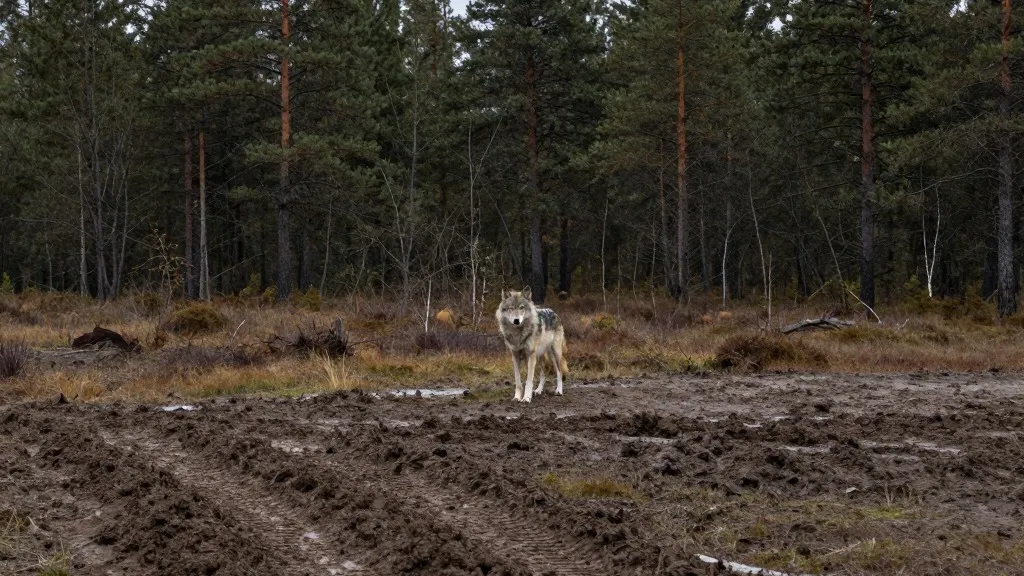
One thousand three hundred acres of forest have been reduced to a vast, muddy expanse in northern Finland, a transformation that has fundamentally altered the local ecosystem and brought wild predators closer to human habitation. This staggering figure represents the scale of land cleared by Google for its new AI data centers, a project that has drawn sharp criticism from local residents and environmental regulators alike. The site, located near the village of Muhos and approximately 55 miles southeast of Otanmäki, was once a dense woodland but is now described as a man-made wasteland of mud where trees once stood.
The physical changes to the landscape have forced a shift in animal behavior that is now affecting nearby communities. Wolves, which previously relied on the forest for hunting and shelter, have been observed roaming into villages as their natural habitat disappeared. This development has introduced a new layer of concern for families in the area, who are dealing not only with the visual and environmental impact of the construction but also with the potential safety risks posed by displaced wildlife. The influx of animals into residential zones marks a significant change from the quiet, isolated nature of these countryside settlements.
Anni Ranta, a 53-year-old resident whose family has lived in Otanmäki for generations, articulated the immediate concern for her neighbors. She noted that the arrival of wolves in the village was a direct consequence of the animals being pushed out of the forest. Ranta’s comments highlight the generational connection many locals have with the land and their anxiety over its rapid alteration. Beyond the ecological shift, Ranta expressed a broader geopolitical fear, suggesting that the presence of U.S.-owned data centers might make the region a more attractive target for Russian aggression, adding a strategic dimension to the local dispute.
The conflict between the tech giant and the local environment is not limited to the displacement of wolves. The Finnish Licensing and Supervision Authority, known as LVV, has taken formal action by ordering Google to cease work in the affected areas. This regulatory step follows a period of intense scrutiny regarding the company’s adherence to environmental policies. A representative from the Finnish Association for Nature Conservation described Google’s approach to environmental policy as unprecedented and clearly at odds with established norms. The authority’s intervention underscores the seriousness with which regulators are viewing the unauthorized clearings and their impact on the surrounding ecosystem.
Local grievances extend beyond the loss of trees and the return of predators. Residents have reported a range of unwanted side effects associated with the construction and operation of the data centers. These complaints include persistent noise from factory activities, streams turning brown due to runoff, and the displacement of rare bird species. These issues mirror concerns raised in other parts of the world where AI infrastructure is being built quickly, often with limited regard for local environmental sensitivities. The accumulation of these problems has fueled a simmering anger among the population, who feel that regulations are being bypassed in the rush to build new facilities.
Despite the regulatory orders and local outcry, Google has maintained a cooperative stance in public statements. A company spokesperson indicated that the firm intends to fully comply with the requests issued by the LVV. The representative expressed hope for an active and open dialogue with authorities to strengthen the partnership between Google and Finnish local organizations. This optimistic outlook suggests that the company is banking on the long-term business benefits of the data centers to sway both the government and regulators in its favor, even as the immediate environmental costs become increasingly visible.
The situation in Finland adds to a growing list of controversies surrounding AI data center development globally. This is far from the first instance where developers have faced backlash over environmental effects, with similar concerns voiced across the United States and other countries. The case in Muhos and Kajaani, however, stands out due to the scale of the forest clearing and the direct impact on local wildlife and community safety. The interplay between rapid technological expansion and environmental preservation is becoming a central theme in regional planning discussions.
The story of the wolves returning to the villages serves as a stark reminder of the tangible consequences of digital infrastructure projects. As Google navigates its relationship with Finnish regulators and residents, the muddy landscape where the forest once stood remains a symbol of the trade-offs involved in the race to build AI capacity. The resolution of this dispute will likely influence how similar projects are approached in the future, balancing the demand for computational power with the need to preserve natural habitats and community well-being.
Source: Tom's Hardware