Three Days: The New Standard for UK Household Resilience
Government advice to hold a three-day supply stock is reshaping shopping habits and prompting families to audit their emergency readiness.
By Thomas Reynolds ·
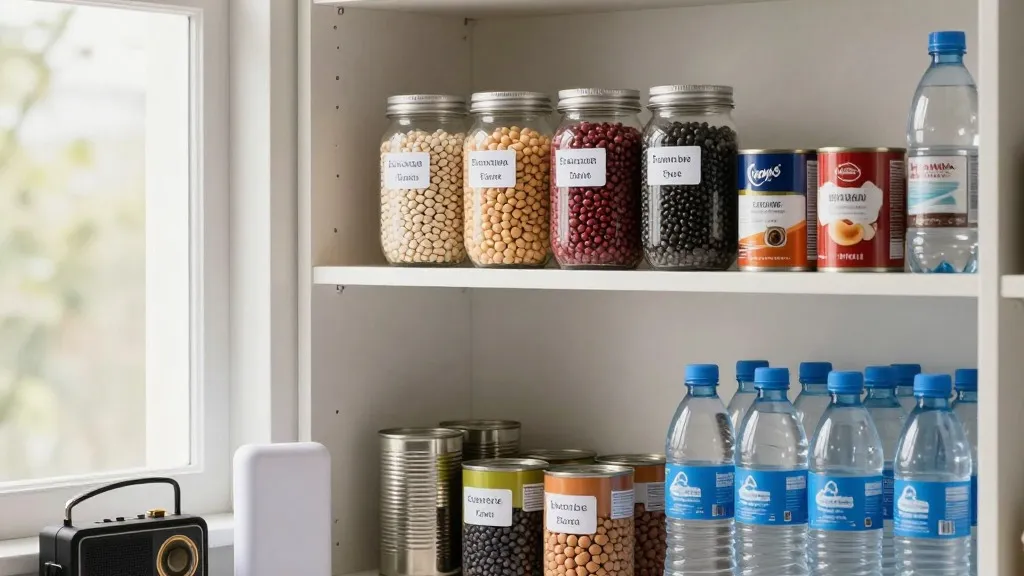
For many households across the United Kingdom, the grocery list has expanded beyond immediate needs to include dried goods, bottled water, and backup power sources. This shift reflects a broader move toward self-reliance, driven by official guidance urging citizens to maintain a three-day supply buffer. The campaign, launched on Thursday, aims to help families prepare for a spectrum of potential disruptions, from climate-related events to state-sponsored threats. While some residents had already begun this process months ago, the formal announcement has accelerated the trend.
The first major change is the integration of long-shelf-life staples into regular weekly shopping routines. Lawrence Barratt from Hythe in Hampshire now adds tinned beans, soups, and noodles to his cart. He is gradually building a reserve of bottled water and a first aid kit, targeting enough supplies to feed two people for three days. His preparation was sparked by the government's Be Ready campaign, which highlighted the gap in his own readiness. He also relies on a portable power bank that can charge devices and run small appliances, a strategy that minimizes the financial shock of bulk buying.
A second key development involves the creation of detailed tracking systems to manage expiration dates and resource levels. Marco Camurri from Greenwich in London has assembled a diverse stockpile including pasta, medicines, and toilet paper. He maintains a spreadsheet for his Doomsday Stash to ensure items are rotated before they spoil. This methodical approach allows his family to consume the stock as part of their normal diet, effectively adding one extra week of shopping for staples. The plan also includes practical contingencies, such as storing wood for heating and keeping car fuel tanks above 50 percent.
The third significant shift is the diversification of emergency power and communication tools. Households are no longer relying solely on mains electricity. Barratt keeps a battery-powered FM radio and a torch, while Camurri stores USB rechargeable flashlights and matches. These items are designed to function independently of the grid. This preparation is often linked to specific triggers, such as memories of the 2020 lockdown shortages or recent reports of supply chain disruptions associated with El Niño. The goal is to ensure that essential services remain available even if infrastructure fails.
Context for this movement includes a mix of climate concerns and geopolitical tension. Jack Davenport from North Shields noted that threats range from physical disasters to technological challenges like artificial intelligence. He described the national infrastructure as aging, which heightens the need for local resilience. The government frames this advice as a way to reduce long-term panic by making potential risks feel manageable rather than overwhelming. However, not all citizens agree on the efficacy of the plan.
Deirdre O'Sullivan from Leicester offers a skeptical perspective, comparing the advice to outdated 1970s nuclear drills. She argues that the guidance is insufficient for a genuine crisis and suggests that water safety issues should be communicated more precisely. For her, the campaign feels like a bureaucratic exercise to demonstrate policy existence rather than a practical solution. Despite such criticism, the data from recent shopping patterns suggests that a significant portion of the population is treating the three-day rule as a new baseline for household stability.
Looking ahead, the focus will likely remain on how these individual preparations scale across the nation. As more families adopt this three-day standard, retailers may see sustained demand for non-perishable goods and portable energy solutions. The campaign has successfully shifted the cultural conversation toward personal responsibility in emergency management. Whether this leads to lasting behavioral change or a temporary spike in purchasing will depend on how the government continues to communicate these risks in the coming months.
Source: The Guardian