Trump Mandates Local Energy Dividends for AI Data Centers
The President is requiring hyperscalers to sell or gift excess power to nearby residents to offset rising utility bills and win over skeptical local populations.
By Valentina Cruz ·
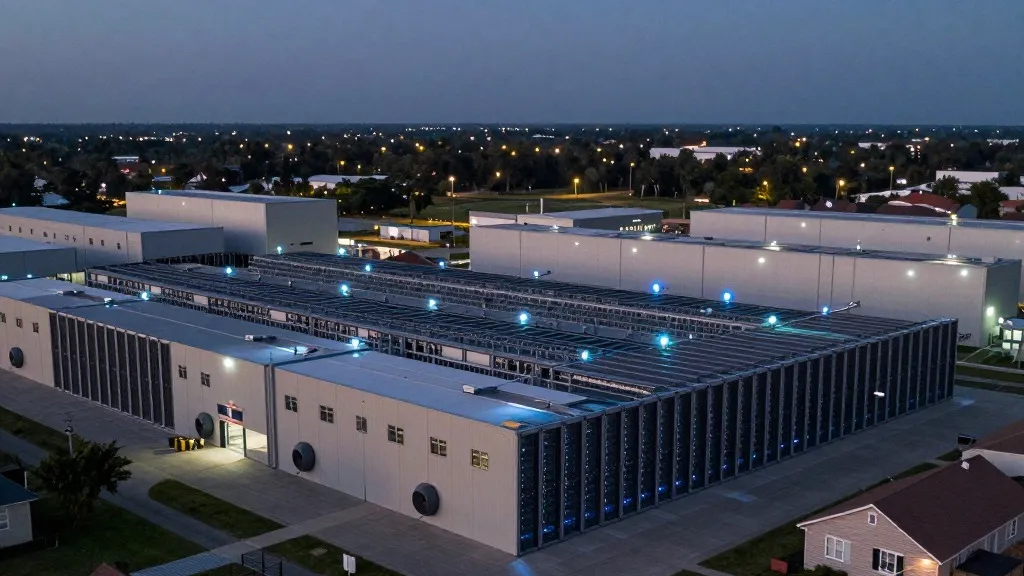
Local residents facing rising energy bills may soon receive a financial offset from the massive AI data centers built near their homes.
President Donald Trump has issued a directive requiring data center developers and AI hyperscalers to pay a dividend to the communities they impact. The goal is to mitigate energy-related price increases, or even reduce local utility costs, thereby making the infrastructure more acceptable to the public. In a post on Truth Social, the President warned that these facilities would be mandated to generate their own electricity, a requirement he has previously emphasized. Furthermore, the new directive stipulates that any excess energy produced must be given or sold back to the local community.
This move addresses a growing wave of protests across the United States against AI data centers. Small communities have increasingly voiced frustration over the outsized burden these facilities place on local resources. Common complaints include rising electricity costs, noise pollution, water shortages, air pollution, and deforestation. The Trump administration aims to alleviate these pain points by compelling large companies to provide tangible benefits to the neighborhoods they affect.
The administration is eager to maintain its lead in the AI race against China while simultaneously winning back public favor. By requiring data centers to pay back to affected communities, the White House hopes to make the expansion of AI infrastructure more palatable. While the exact mechanics of this dividend are not yet defined, the focus on electricity suggests the payments may partially cover rising utility costs for homes in the vicinity of these centers.
This new mandate builds upon previous orders requiring data centers to produce their own power. The administration has also recently passed an act ordering these facilities to shoulder the cost of grid upgrades, preventing those expenses from being passed on to local taxpayers. Excess electricity from on-site generation could be used to further lower local electricity costs, creating a direct financial link between the data center and the surrounding neighborhood.
President Trump highlighted the potential for improved relations in his social media post, noting that data centers which were once highly unpopular have become extremely popular once a financial deal was struck. He urged stakeholders to "MAKE DEALS, and get them built!!!" in a closing call to action, aiming to accelerate the construction of new facilities.
However, it remains to be seen whether financial incentives alone will be sufficient to win over skeptical communities. The economic aspect is only one facet of the broader issue. Enormous water consumption, ecological damage, and pollution remain major challenges that make AI data centers a difficult sell in many locations. The dividend may ease the immediate financial strain, but it does not address the environmental and logistical concerns that drive much of the local opposition.
The practical implementation of this mandate is still under consideration. How the dividend will be calculated and distributed is a key question for developers and local officials alike. The administration’s strategy relies on the premise that financial compensation will outweigh the drawbacks of hosting these energy-intensive facilities, potentially transforming hostile towns into supportive partners in the nation's AI expansion.
Source: Tom's Hardware