$5 Million: Amazon Drops Four Data Centers in Loudoun County
After intense local resistance, Amazon is converting a 122-acre site in Northern Virginia into mixed-use housing and donating funds and land to the county.
By Khalid Rahman ·
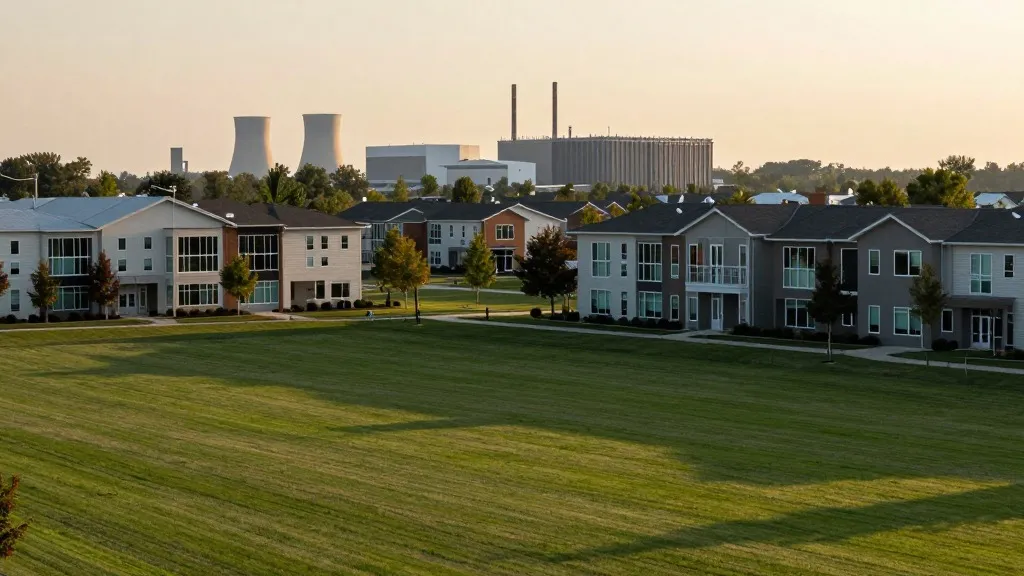
The tug-of-war over one of Northern Virginia’s most contested parcels of land has ended in a dramatic retreat for the tech giant. Amazon has officially scrapped its plans to construct four new data centers on the former George Washington University campus in Loudoun County. The decision comes after a fierce backlash from local residents who grew weary of the county’s rapid transformation into a hub for artificial intelligence infrastructure, marking a significant shift in how the region handles new technology buildouts.
The scale of the compromise is substantial. Amazon will repurpose the majority of the 122-acre property for mixed-use and residential development. Additionally, the company is donating 25 acres of the land to Loudoun County. This specific portion of the property will be used to build a new community arts center and a recreational facility. To sweeten the deal further, Amazon is contributing $5 million directly to the county’s housing fund, a move intended to address the growing need for attainable homes in the area.
This outcome stands in stark contrast to the initial proposal, which sought to add four more facilities to a region already known as "Data Center Alley" for having the highest concentration of such centers on the planet. The local community’s resistance was driven by valid concerns regarding the immense power consumption and noise pollution associated with these massive facilities. Residents argued that the area was already straining under the weight of existing infrastructure, making any new additions particularly contentious.
The timeline of the conflict reveals a shift in local governance. Amazon first submitted its proposal to build the new facilities in July of this year. By September, the situation had escalated enough to bring the parties to the negotiating table. Phyllis J. Randall, the chair of the Loudoun County Board of Supervisors, met directly with Amazon representatives. During these discussions, the county signaled to the company that finding an alternative use for the land might be the most viable path forward, effectively putting the brakes on the data center plans.
Josh Weissman, Amazon’s vice president in charge of data center development, explained the company's decision in a statement. He noted that Amazon had "jumped at the chance" to purchase the former university campus when the opportunity initially arose. However, Weissman acknowledged that the company carefully weighed the county’s "pointed concerns about data center development at this particular site." He emphasized that while Amazon viewed the legal development potential of the property differently than the county did, they concluded that a shared vision was preferable to "costly litigation."
The broader context for this dispute lies in the explosive growth of AI. The recent boom in artificial intelligence usage has ratcheted up demand for larger, more powerful data facilities to new levels. While cloud-based services have always required physical infrastructure, the AI era has intensified the pressure on local communities. Residents are increasingly wary of the impact these mammoth facilities have on their daily lives, including potential spikes in electricity prices and environmental strains related to water usage and deforestation.
Federal officials have also begun to weigh in on the issue. Just days before this news broke, President Donald Trump called for data center builders and AI hyperscalers to pay a dividend to local communities to help offset energy-related price increases. In a social media post, the President suggested that data centers should be required to generate their own electricity and either give or sell excess energy back to the local community. This federal pressure aligns with the local sentiment that the costs of hosting these facilities should not fall solely on residents.
Loudoun County officials are framing the outcome as a triumph of cooperation over confrontation. In a statement, Supervisors Chair Randall highlighted the benefits of choosing "dialogue over reflexive disagreement." She noted that the agreement creates new spaces for residents to gather, create, and play. Most importantly, Randall emphasized that the project will provide more attainable homes for working families, a key priority for the county as it balances growth with livability.
For New Englanders watching the trend, this event serves as a clear signal that the era of unchecked data center expansion in suburban Virginia may be coming to an end. The combination of local noise complaints, power grid constraints, and federal scrutiny is forcing tech giants to rethink their siting strategies. As AI demand continues to surge, the tension between corporate infrastructure needs and community quality of life will likely remain a central theme in regional planning debates across the country.
Source: Tom's Hardware