Ukraine Reports Stable Starlink Links for High Speed Military Drones
Satellite connectivity has been restored for Ukrainian forces after a week of disruption, just days before planned peace talks in Abu Dhabi.
By Jacob Leary ·
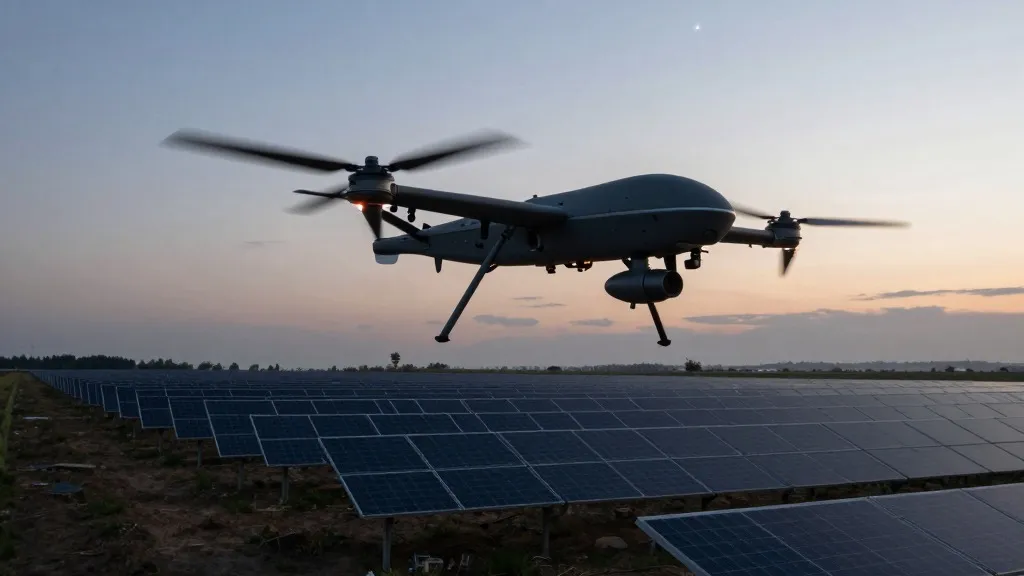
Ukraine confirmed on Saturday that full access to Starlink and Starshield satellite systems has been restored for its military, ending a weeklong disruption that hindered drone operations. Defense Minister Yevhenii Khmara stated that connections are now stable on equipment traveling at speeds exceeding 400 kilometers per hour. He attributed the resolution to diplomatic efforts by President Volodymyr Zelenskyy and direct negotiations with Washington.
The restoration of service provides several key updates on the ongoing conflict and diplomatic efforts. First, the technical resolution allows Ukrainian forces to resume high-speed drone missions that rely heavily on SpaceX infrastructure for communications. Second, the fix arrives as tensions between Kyiv and Washington have recently spiked. President Donald Trump has denied ordering the restrictions while defending Elon Musk, and the episode added strain to relations already pressured by US sanctions waivers on Russian diesel and recent calls for new Ukrainian leadership. Finally, the service restoration coincides with the revival of peace negotiations. Diplomats from the US, Russia, and Ukraine are scheduled to meet in Abu Dhabi in the first half of November, marking a significant diplomatic step more than four years after the full scale invasion began.
The timing of these developments places the military and diplomatic tracks in close proximity. The United States is actively attempting to revive peace talks, with Kremlin spokesman Dmitry Peskov confirming the planned meetings on Friday. Zelenskyy also announced that technical level agreements have been reached. Meanwhile, President Trump credited First Lady Melania Trump with securing a local ceasefire in the Oleshky area of Kherson. Ukrainian and Russian authorities indicated this ceasefire would begin on October 27, with a humanitarian operation planned for October 29.
Combat operations continued alongside the diplomatic maneuvers. A Russian missile strike on Lozova in the Kharkiv region killed one man and injured two others on Saturday. In the north, an attack on Chernihiv on Friday resulted in one death and at least 25 injuries. In the Donbas region, officials reported one fatality and six injuries in Kramatorsk, including three children. In Sloviansk, a 62 year old woman was killed and four others wounded in Friday attacks.
Ukrainian forces also reported strikes inside Russian territory during the same period. Targets included the Togliattikauchuk petrochemical plant in Togliatti, where the mayor confirmed industrial damage but no casualties. Ukraine also claimed a hit on the Proton electronics plant in Oryol, a facility that produces missile components. The regional governor reported three deaths at an unidentified facility. Additionally, authorities in Russian occupied Crimea reported power outages following overnight attacks.
Russian military data provides a broader picture of the air war. The Defense Ministry stated that air defenses intercepted one SCALP cruise missile, four Neptune missiles, and 1,297 fixed wing drones over a 24 hour period. These figures were reported by TASS and have not been independently verified. The data highlights the volume of Ukrainian aerial assets deployed against Russian positions.
The restoration of Starlink access removes a significant logistical hurdle for Ukrainian commanders. With communication lines back online, the focus shifts to the upcoming talks in Abu Dhabi. The combination of renewed diplomatic engagement and active battlefield operations suggests that the conflict remains in a complex phase of simultaneous negotiation and combat. The stability of these satellite links will be a critical factor in how both sides manage their operations in the coming weeks.
Source: Al Jazeera